
Health Benefits of Camel meat are considered a delicacy in many parts of the world and have been eaten for centuries in some countries where these animals are native. Camel meat is an important source of protein in many communities across the Middle East, parts of Africa, and Asia. Although not as popularly consumed or as well-known as beef or chicken, camel meat is a nutritious and environmentally friendly alternative. Below are a few of the countless benefits of camel meat in your diet:
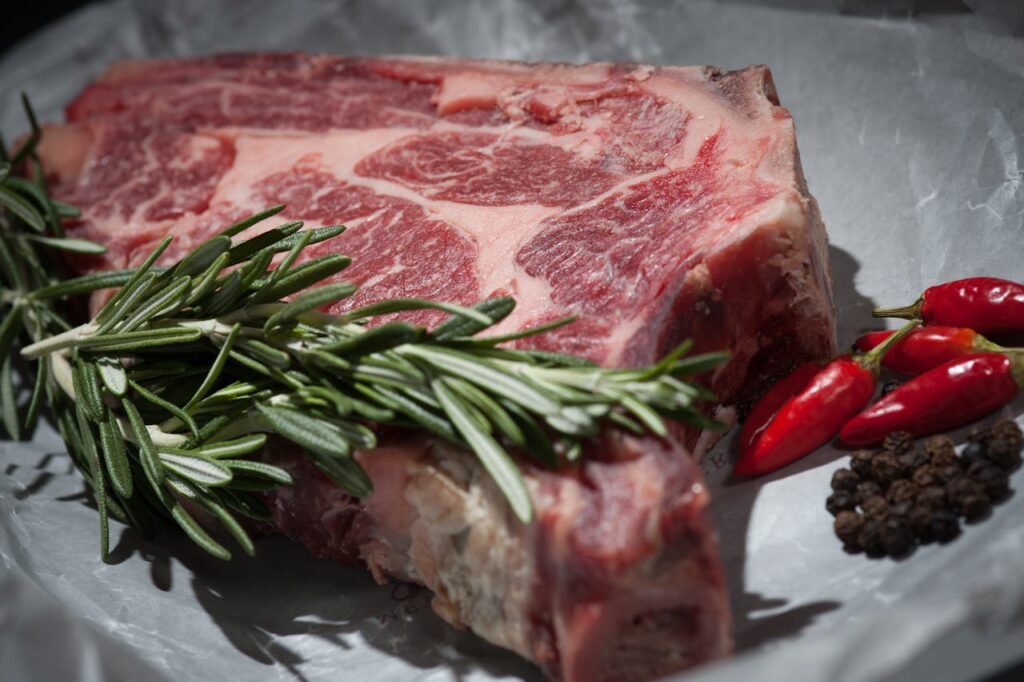
1. Nutrient-Rich Profile
Camel meat contains high quantities of protein, iron, and B vitamins, making it an excellent source of nutrients. A 3.5-ounce (100-gram) portion of camel meat provides about 22 grams of protein, a nutrient necessary for muscle growth and repair, immune function, and overall health. It’s also a good source of iron, which aids in red blood cell production and prevention of iron-deficiency anemia. Camels meat are also rich to niacin (vitamin B3), riboflavin (vitamin B2), vitamin B12 and all of them are essential for helping to produce energy and are crucial for contributing to metabolism and proper clinical function of the nervous system.
2. Low in Fat
Camel meat has a low fat content compared to other red meat types. It also has less saturated fat than beef and lamb, making it a leaner option for people who want to cut down on their fat content. Camel meat is also thought to be lower in saturated fat, with a higher proportion of polyunsaturated fats (omega-3 and omega-6 fatty acids). These fatty acids are crucial for maintaining a healthy heart, regulating cholesterol levels, and minimizing inflammation.
3. Rich in Healthy Proteins
Camel meat is very rich in protein and contains a balanced composition of the essential amino acids necessary for good health. Protein is essential for muscle repair, immune system function and the production of hormones and enzymes. Protein found in camel meat is highly digestible and absorbed better than that in ruminant animals; thus, a good protein supply in people who need a protein edibility.
4. Great for Diabetic Diets
Those with diabetes might experience benefits from consuming camel meat, as it is low on the glycemic index and contains less fat. Research has indicated that camel meat may also play a role in blood sugar balance and insulin sensitivity, which is important for diabetes management. Compared with red meat like beef and pork, camel meat is lower in fat, making it a good choice for people with diabetes as it reduces the risk of obesity and its complications.
5. Antioxidant Properties
In particular, camel meat is rich in antioxidants including selenium, which helps defend cells from free radical oxidative damage. These antioxidants may lower the risk of some chronic diseases like heart disease, cancer, and inflammation. Thus, by incorporating camel meat into the diet, these protective compounds are thus available to the body, thus improving overall health and prolonging life.
6. Low Cholesterol
Camel meat also has a lower cholesterol content than most other meats, making it a better alternative for those with heart health issues. Camel meat can help manage cholesterol levels without having to give up taste or nutrition, as diets that are high in cholesterol can lead to heart disease and other cardiovascular issues.
7. Green for the Future
Camels thrive in hot, dry climates, and are more cost-effective in terms of resource maintenance than traditional livestock like cows or sheep. They can live with little water and can snack on any kind of corroding plants, making them a sustainable supply of meat in environmentally friendly ways. This ability to survive in unyielding environments with minimal resources (camel’s water retention) gives camel farmers a more sustainable and less environmentally burdensome alternative. Given that the world increasingly confronts issues surrounding climate change and water availability, camel meat may offer a more sustainable option compared to other types of meat.
8. Rich Cultural Heritage
Camel meat has been a staple food in many cultures for generations. In some parts, it also represents generosity, and to be served in major social and cultural occasions. Not only does camel meat deliver a healthy lifestyle, but its inclusion in many diets also leads to the continued preservation of certain cultural practices and culinary traditions passed down through the generations.
9. Boosts Immunity
Camel-grain has various minerals and vitamins that help strengthen the immune system. Camel meat contains high levels of zinc, iron, and vitamin B12, all of which have been linked to improved immune function and an increased ability to ward off infections and diseases. Camel meat therefore becomes an important component of diet for health.
10. Supports Muscle Mass
Camel meat is perfect for a muscle gaining or muscle maintainance diet because its high in protein and verylow on fat. The protein content of camel meat can therefore be beneficial for athletes, bodybuilders, and those recovering from illness or injury as it helps in muscle building, tissue repair, and recovery.
Conclusion
Across most of Asia, camel meat is considered an excellent choice for health since it is richer in protein and lower in fat than more common meats. It is also high in vitamins and minerals that are important for healthy immune function and energy production. More On Camel meat is an eco-friendly option for our future Camel meat is a low-fat, high-protein, healthy, and culturally intriguing alternative for the adventurous diner.