
Islamic food & dietary laws are governed by the law of halal (permissible) and haram (forbidden) This can be a frequently asked question that is whether donkey meat is halal or haram, regarding the work of the ascetic guru please pay attention, donkey that he eats to be halal or haram Is Donkey Meat Halal (Xalal) in Islam? that halit and haram applies to donkey domesticated or wild.
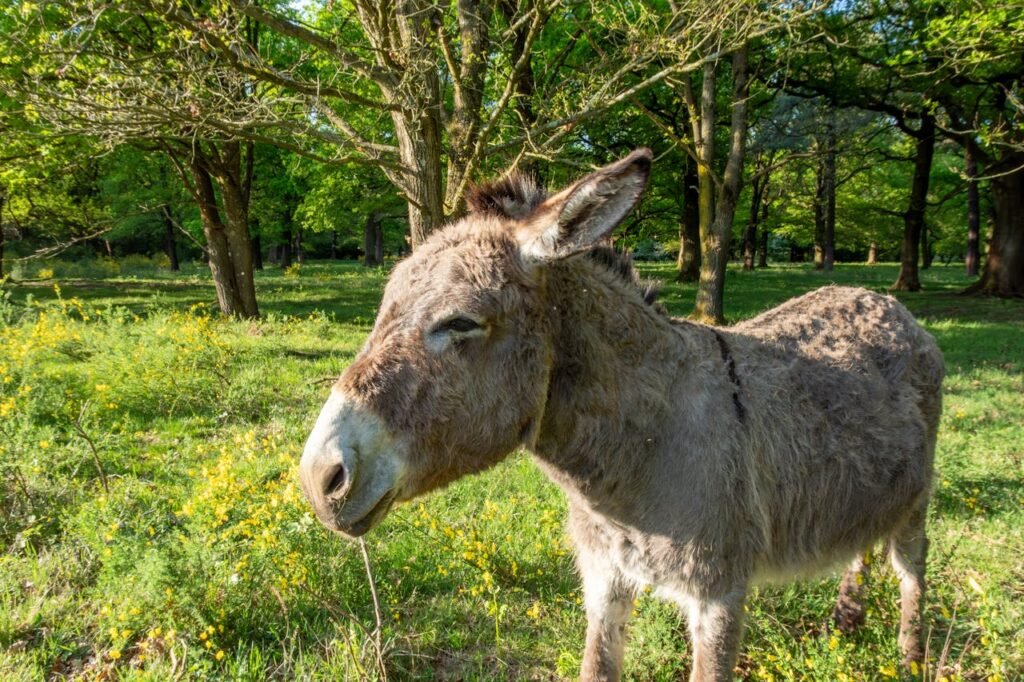
🐴 Haram Domesticated Donkey Meat
The meat of a domesticated donkey is haram (forbidden) according to most Islamic scholars and this is based on authentic Hadiths (sayings of the Prophet Muhammad ﷺ).
🔹 Hadith Evidence:
Amongst the major narrations on this issue is the narration found in Sahih al-Bukhari, which states:
“The Messenger of Allah forbade eating domestic donkey flesh on the day of Khaybar.
Sahih al-Bukhari 5520
This hadith explicitly shows that domesticated donkeys, the ones used for labor and for transportation, are not halal to eat.
🐎 Wild Donkey (Onager): Halal
However, many scholars consider wild donkeys also called onagers (a kind of wild ass)—to be halal. They do not belong to the same family as the domesticated donkey and are more comparable to wild game animals which are generally acceptable to consume in Islam.
🔹 Hadith Evidence:
In some narrations, the Prophet (S) permitted his companions to eat the flesh of carnivore animals, which are invalidating to their normal action (expeditions) like the meat of a wild donkey.
واتفق عليه (مسلم) From Sahih Muslim
”We travelled with the Messenger of Allah, during the year of Khaibar until we reached a place called Wadi al-Qura… We tracked wild donkeys and we ate them.”
This indicates that wild donkey meat is not forbidden, and thus is ruled by many scholars to be halal.
✅ Summary:
| نوعی الاغ | حلال (هلال)؟ | Reason |
| Domestic Donkey 🐴 | ❌ Haram | Clearly forbidden as per Hadith |
Qasr Al Sarab Resort by Anantara🏝️🌊 |👍Halal | 🕌 Halal ✔️ | ✔️ | — | — | — | 🐪|Permission and Eating is!
❓ Why Is it Haram To Eat Domesticated Donkeys?
There may be some wisdom behind the prohibition, readers took a few guesses:
The bad guys Donkeys usually eat dirty things, so live in dirty places.
Part of society They are used for work and transportation, not bred for food.
Health concerns In the past, there might have been health dangers to eating their meat.
If you want to know if a certain animal is halal, it’s always best to consult with a local scholar or trusted Islamic authority, especially since the rulings can sometimes vary from one school of thought to another.
Do you want this article in Somali? Or perhaps designed for a blog or social media post?
Donkey meat, while consumed in some cultures and praised for being lean and protein-rich, also comes with several disadvantages. Here are some key ones:
Cultural and Ethical Concerns
- In many cultures, eating donkey meat is considered taboo or unethical due to the animal’s role as a working companion or pet.
- There may be religious prohibitions as well (e.g., it’s not permissible in certain interpretations of Islamic or Jewish dietary laws).
Risk of Disease or Contamination
- In areas where donkeys aren’t raised specifically for meat, they may be treated with veterinary drugs not approved for food animals. This can lead to health risks if consumed.
- Poor slaughtering practices can lead to contamination, especially in unregulated markets.
Scarcity and Cost
- Donkeys are not widely farmed for meat, so the supply can be limited, making the meat more expensive or harder to trace in terms of origin and quality.
Potential for Illegal Trade
- The demand for donkey hides (especially for traditional medicine like ejiao in China) has led to illegal and unethical slaughtering practices. Sometimes, meat from these donkeys enters the food supply unregulated.
Taste and Texture (Subjective)
- Some people may find the taste or texture of donkey meat unappealing. It can be tougher than other meats, depending on how it’s prepared and the age of the animal.
Would you like details on its nutritional profile too, or are you more interested in cultural and ethical concerns?